
When Should You See a Private Chest Surgeon?
Chest symptoms such as persistent discomfort, shortness of breath, or unexplained pain can have many causes. While some require urgent assessment, others may need review by a respiratory physician, cardiologist, gastroenterologist, or thoracic surgeon, depending on the likely source of the problem.
A chest surgeon, also known as a thoracic surgeon, specialises in surgical conditions affecting the lungs, pleura, chest wall, mediastinum, oesophagus, and other structures in the chest. They work alongside other specialists to assess whether surgery, a procedure, monitoring, or non-surgical treatment is the most appropriate next step.
Persistent respiratory symptoms that do not improve with initial treatment may need further investigation. This can include chronic cough, recurrent chest infections, unexplained breathlessness, or symptoms that are limiting normal activity.
A lung nodule or mass found on imaging may also require specialist review. However, not every nodule needs a biopsy or operation. The next step depends on its size, appearance, growth, location, and the patient’s medical history.
Confirmed or suspected lung cancer, mesothelioma, oesophageal cancer, and other thoracic malignancies usually require prompt multidisciplinary assessment. A thoracic surgeon may contribute to staging, assessment of whether surgery is possible, and discussion of treatment options.
Conditions such as recurrent pneumothorax, pleural disease, chest wall abnormalities, and some swallowing disorders may also fall within thoracic surgery. Whether private care is appropriate is an individual decision, and urgent symptoms should always be assessed through emergency services rather than waiting for an outpatient appointment.
What Conditions Does a Private Chest Surgeon Treat?
A chest surgeon may diagnose and treat a range of thoracic conditions, including lung cancer, lung nodules, pleural disease, pneumothorax, mediastinal masses, chest wall conditions, hyperhidrosis, and certain oesophageal disorders.
For people who need specialist assessment of a lung, chest wall, pleural, or mediastinal condition, a private chest surgeon can review the findings, explain the available options, and advise whether surgery is appropriate.
Thoracic surgeons may perform diagnostic procedures, such as biopsies, and operations to remove or treat disease in the chest. Many procedures can be performed using minimally invasive techniques, although the best approach depends on the condition, anatomy, and overall health of the patient.
Some oesophageal conditions may be managed by upper gastrointestinal surgeons rather than thoracic surgeons, depending on the type and location of the problem. Similarly, gastro-oesophageal reflux disease is usually treated first with lifestyle measures and medication, with surgery considered only for selected patients after appropriate investigation.
Hyperhidrosis may be treated with endoscopic thoracic sympathectomy in carefully selected cases, but this procedure has potential side effects, including compensatory sweating, and should be discussed in detail before treatment.
When Should You See a Private Chest Surgeon?
Referral to a chest surgeon may be appropriate when tests or symptoms suggest a condition that could benefit from thoracic surgical expertise. This may include a lung nodule, a suspected or confirmed cancer, recurrent collapsed lung, persistent pleural fluid, a mediastinal mass, a significant chest wall condition, or ongoing symptoms after trauma.
Persistent chest pain or unexplained breathlessness should be assessed promptly, but a thoracic surgeon is not always the first specialist required. Depending on the symptoms, a GP, emergency clinician, respiratory physician, cardiologist, or gastroenterologist may arrange the initial tests and refer to a surgeon if needed.
A confirmed diagnosis of lung or oesophageal cancer requires prompt assessment by a multidisciplinary team. Surgical treatment may be an option for some patients, while others may benefit from radiotherapy, systemic treatment, or supportive care.
If a person has severe chest pain, sudden breathlessness, coughing up blood, fainting, sweating, nausea, or pain spreading to the arm, jaw, neck, or back, they should seek urgent medical help rather than wait for a private consultation.
What Does a Private Chest Surgeon Actually Do?
Private chest surgeons assess patients, review scans and test results, arrange or perform diagnostic procedures, and discuss treatment options. Their role may include surgery, but it also includes determining when surgery is not needed or is unlikely to be beneficial.
Procedures may include lung biopsy, removal of a lung lesion, treatment for pneumothorax, drainage or biopsy of pleural fluid, surgery for mediastinal masses, chest wall reconstruction, or sympathectomy for selected cases of hyperhidrosis.
Thoracic surgeons work closely with respiratory physicians, oncologists, radiologists, pathologists, anaesthetists, specialist nurses, physiotherapists, and other healthcare professionals. This multidisciplinary approach helps ensure that treatment recommendations are based on the full clinical picture.
Care continues after surgery through follow-up appointments, symptom review, wound checks, recovery guidance, and monitoring for complications where needed.
What Happens at Your First Private Chest Surgery Consultation?
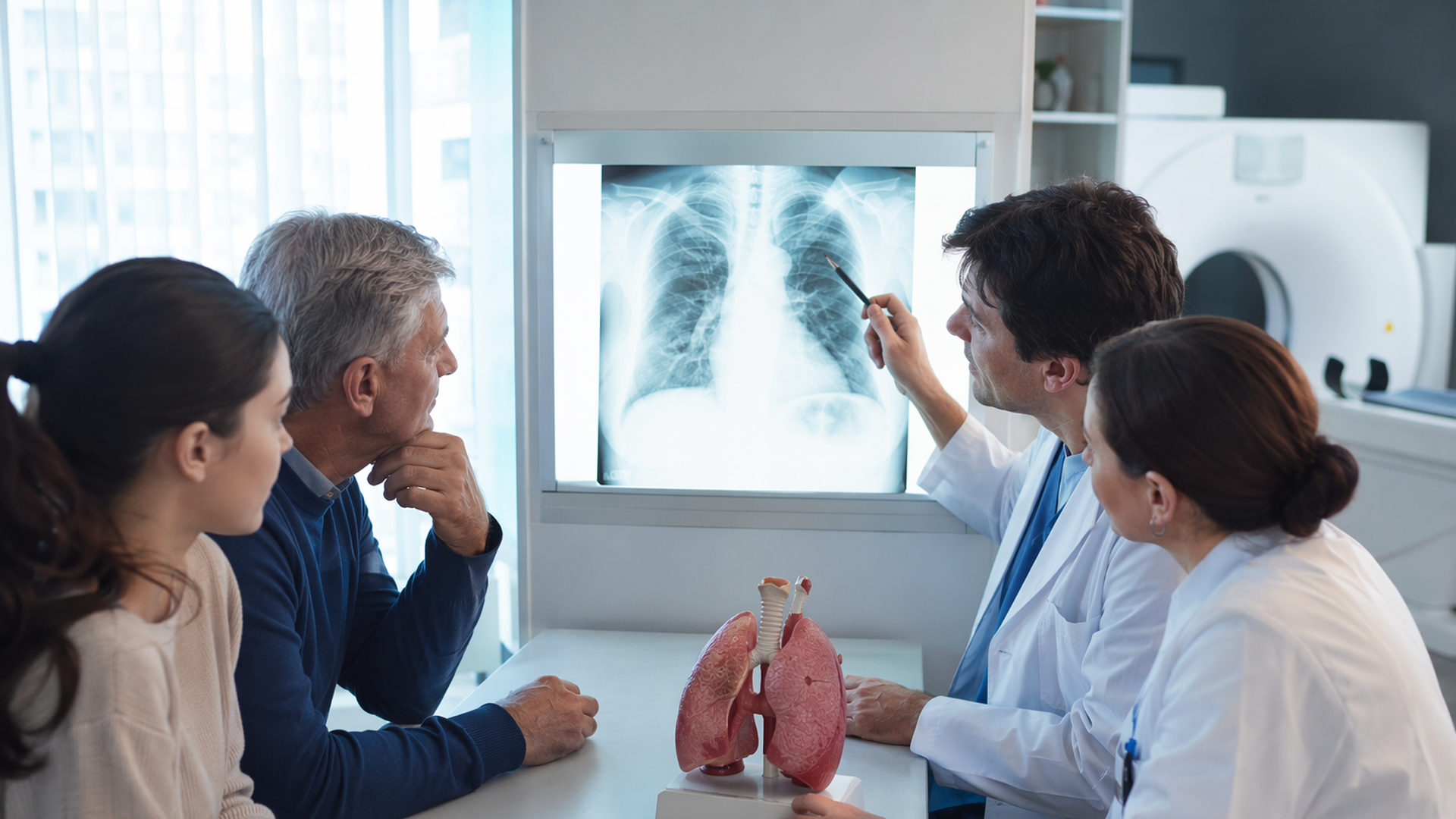
At a first consultation, the surgeon will usually review the reason for referral, symptoms, medical history, medicines, previous procedures, and any available imaging or test results.
A physical examination may be performed where relevant. The surgeon may recommend further tests, such as CT imaging, pulmonary function tests, biopsy, endoscopy, or cardiac assessment, before deciding whether surgery is appropriate.
The consultation should include a discussion of the possible diagnosis, available treatment options, expected benefits, alternatives, and risks. If surgery is recommended, the surgeon should explain the planned approach, likely recovery, possible complications, and follow-up arrangements.
Patients may find it helpful to bring a list of symptoms, current medicines, previous scan reports, and questions they want to ask. It is also reasonable to seek a second opinion before an elective or major operation.
Why Seeing a Private Chest Surgeon Early Can Be Helpful
Early specialist assessment can be helpful when a scan has shown a concerning finding or when a diagnosis already suggests that thoracic surgery may be needed. It can clarify the next steps, avoid unnecessary delay, and support timely referral into the appropriate treatment pathway.
A lung nodule or other abnormal chest finding can lead to further tests such as CT imaging, PET-CT scanning, bronchoscopy, or a biopsy. Cancer Research UK sets out how lung cancer is diagnosed, including the purpose of these investigations and what patients may expect.
For cancers that may be suitable for surgery, timely assessment is important because treatment options are influenced by the type, stage, location, and spread of the disease, as well as the patient’s general fitness.
However, earlier specialist review does not guarantee a better outcome in every situation. The most important factor is ensuring that symptoms and abnormal test results are assessed by the right clinical team without delay.
Conclusion
Persistent chest symptoms, unexplained breathlessness, abnormal imaging findings, or a confirmed thoracic condition may justify referral to a chest surgeon. The need for surgery depends on the diagnosis, symptoms, test results, and overall health of the individual.
A private chest surgeon can offer specialist consultation and may help shorten the time to an expert review, investigation, or treatment decision. However, urgent or severe chest symptoms should always be assessed immediately through emergency services.